
The Physical Education curriculum is underpinned by the belief that every student is entitled to high expectations and high-quality physical education, regardless of starting point. Through an inclusive and carefully sequenced curriculum, all students are supported to develop physical competence, confidence and a positive attitude towards physical activity.
Learning is structured to build knowledge, skills and understanding progressively across a wide range of team and individual sports. Students develop physical literacy alongside an understanding of health, fitness and wellbeing, enabling them to make informed choices about leading an active lifestyle. Challenge is embraced, and resilience is developed as students learn to perform in demanding and competitive environments.
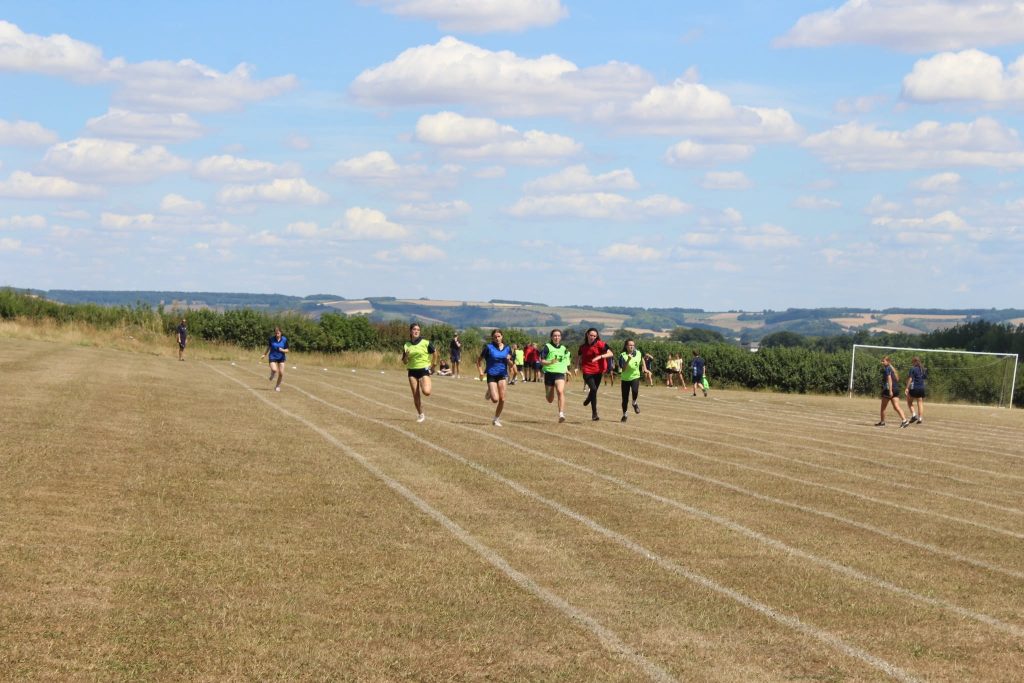
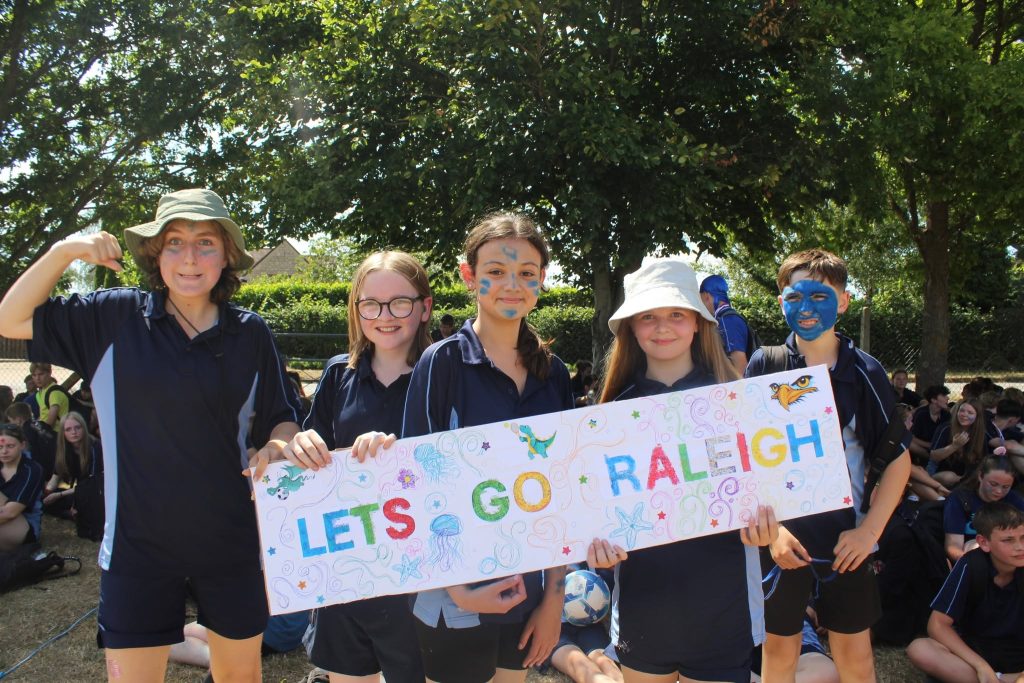
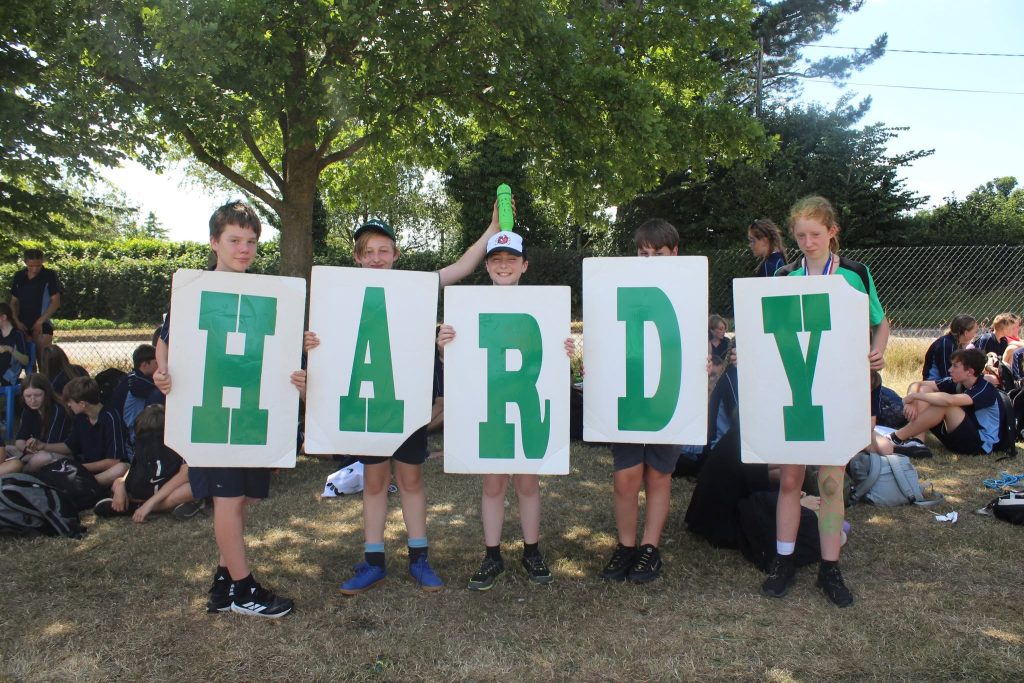
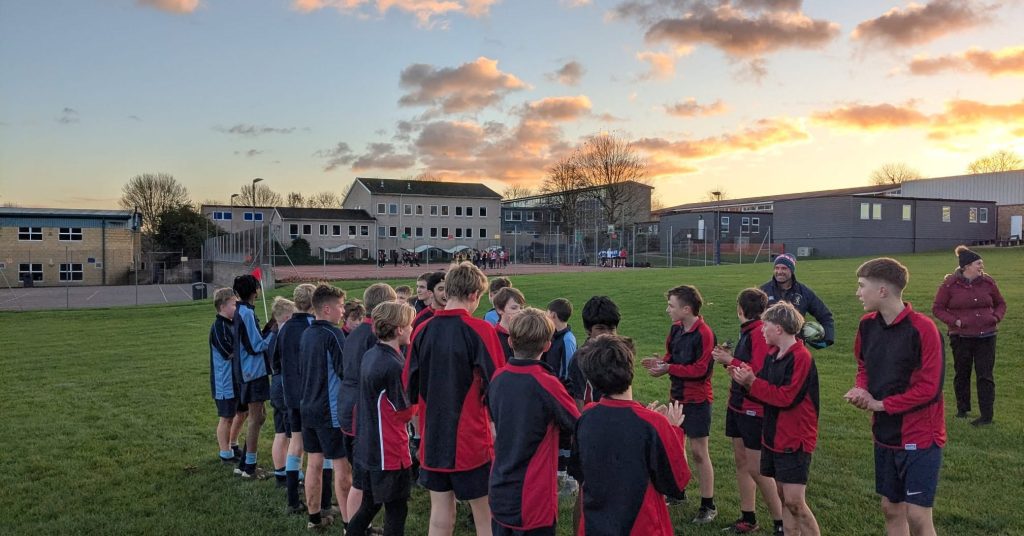
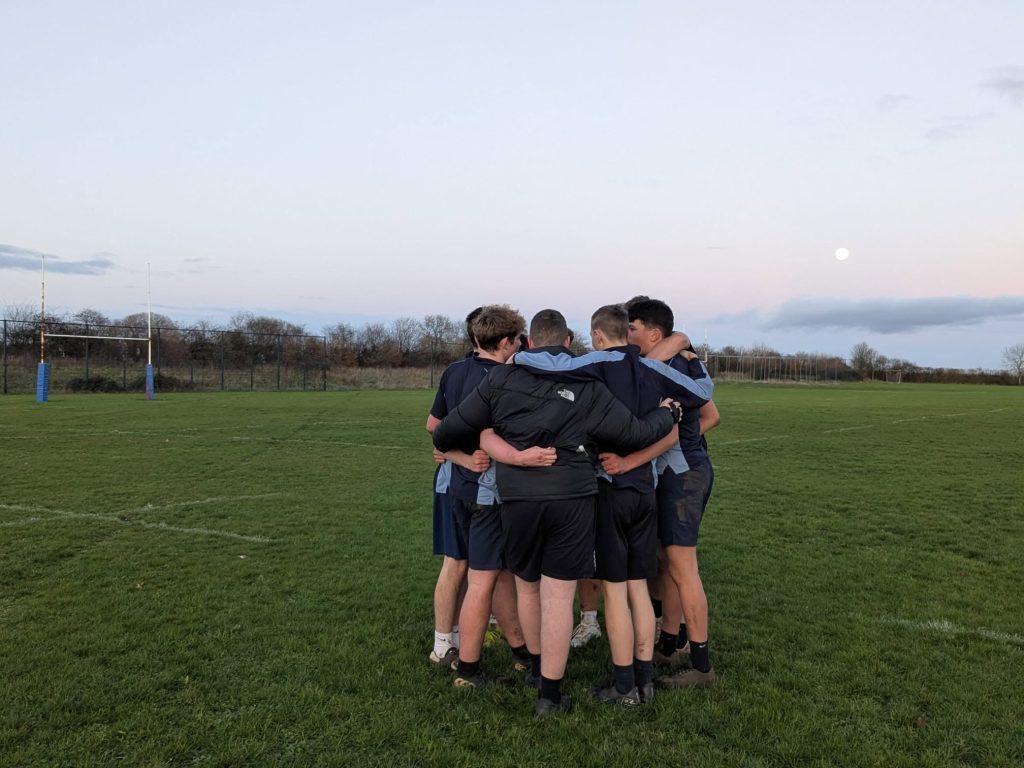
The curriculum places strong emphasis on personal development. Through practical participation, students develop leadership, communication, organisation and teamwork skills. Opportunities for competition, including house sport, school fixtures and tournaments, foster a sense of belonging and collective achievement.
Enrichment opportunities, such as sports clubs, tours and visits to professional sporting events, widen experiences and raise aspirations. PE supports physical, social and psychological wellbeing and prepares students for lifelong participation in physical activity. By the time students leave school, they are confident, resilient individuals equipped with the knowledge, skills and motivation to remain active beyond the classroom.
Year 7 & Year 8
- Dance
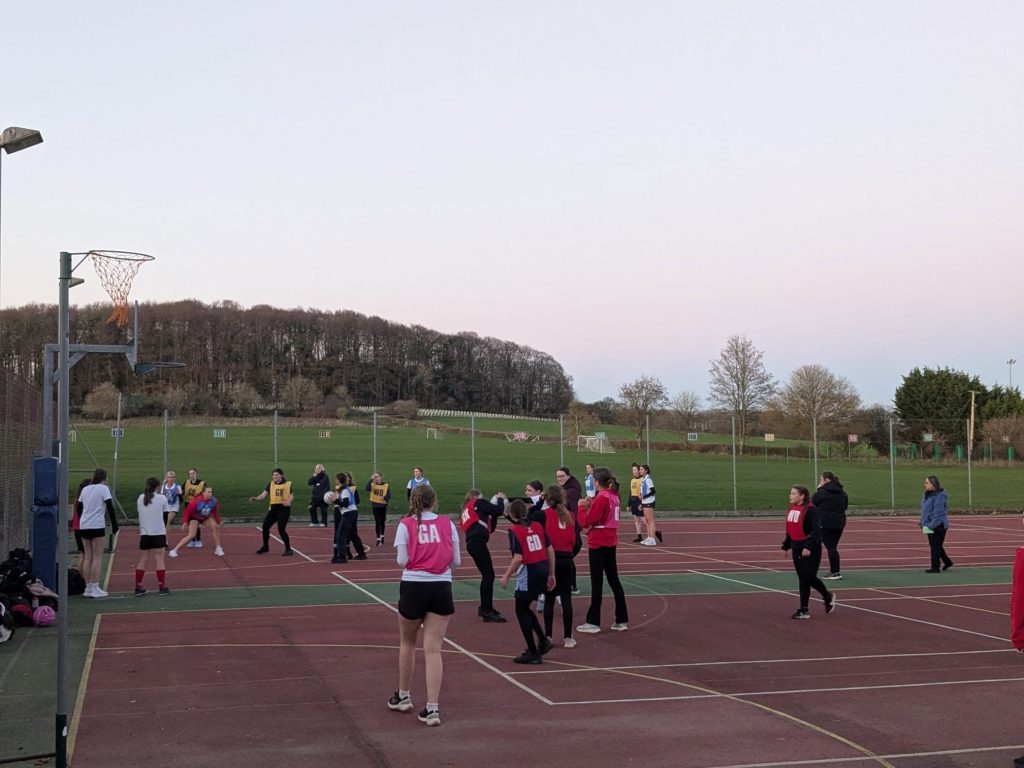
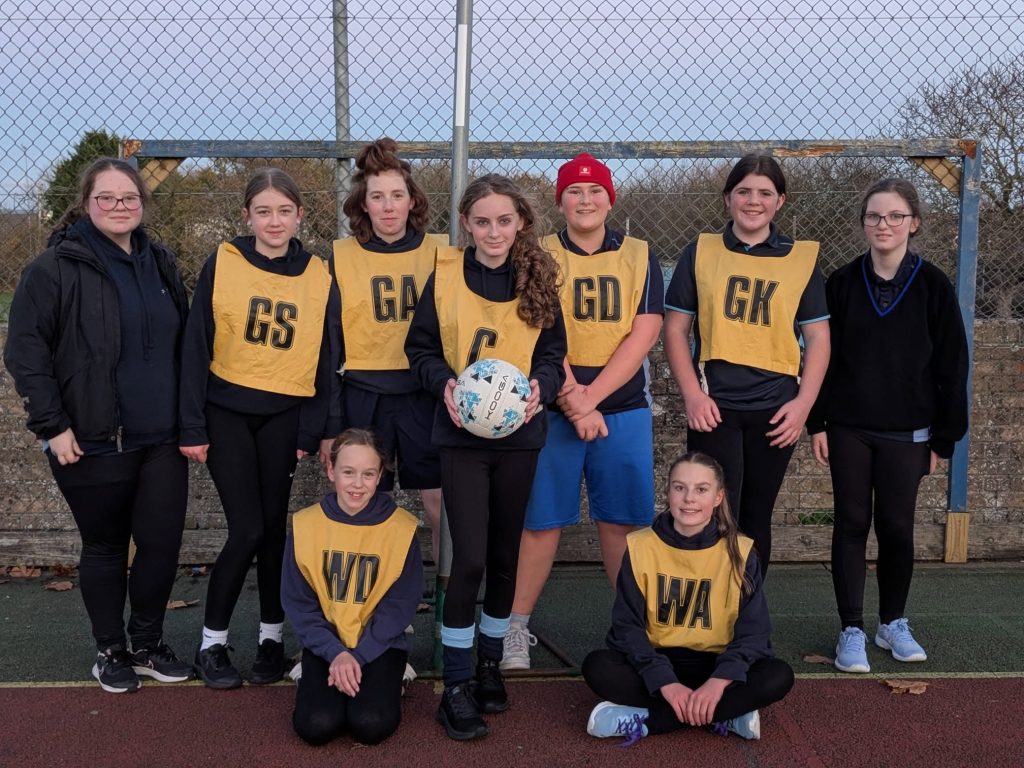
- Netball
- Gymnastics
- Badminton
- Rounders
- Football
- Health related fitness
- Basketball
- Cricket
- Pickleball
Year 9
- Football
- Netball
- Dance
- Handball
- Badminton
- Health related fitness
- Outdoor Adventurous Activities
- Tag Rugby
- Rounders
- Athletics
- Pickleball
Year 10
- Netball
- Basketball
- Badminton
- Football
- Rounders
Year 11
- Netball
- Badminton
- Handball
- Fitness (Yoga, Zumba, Circuits, HIIT)
- Rounders
- Basketball
- Football
- Rugby
- Badminton
- Softball
GCSE
Academic PE – Sport & Coaching Principles (WJEC Level 1/2)
UNIT 1 – Fitness for Sport (EXAM UNIT):
- The structure of body systems:
- The functions of body systems:
- The short-term effects of exercise on body systems:
- The long-term adaptations:
- Components of health and fitness
- Fitness Testing
- The importance of the validity and reliability of testing
- Why fitness testing is important
- The reasons for testing
- Factors that need to be considered before training
- The principles of training
- Training methods
- Target setting
- Factors that must be considered before starting any training:
- The principles of training
- Training methods
- Target setting
UNIT 2 – Improving Sporting Performance (Controlled Assessment):
- Factors affecting sporting performance
- Physiological factors affecting performance in sport
- Psychological factors affecting performance in sport
- Technical factors affecting performance in sport
- Analysis of sporting performance
- Measuring the physiological, psychological and technical factors affecting sporting performance
- Analysis of performance data
- Strategies for improvement of sporting performance
UNIT 3 – Coaching Principles (Controlled Assessments):
- Knowledge of the skills and responsibilities of a sports coach
- Understand the coaching process
- Meeting the needs of the participants in coaching sessions
- The components of a coaching session
- Planning a coaching session
- How to coach
- Review coaching performance
- Development planning
In this section
